What Is SEO? The Foundation of Online Visibility
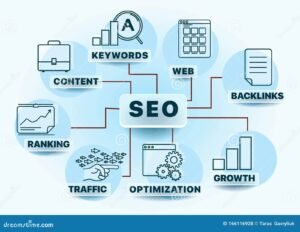
SEO (Search Engine Optimization) is the process of optimizing your website to achieve higher rankings on search engines, making it crucial for attracting potential customers searching for your products or services. It involves various strategies, such as optimising content, improving site structure, and building quality backlinks, to enhance organic visibility. Since most online experiences start with a search engine, a website that doesn’t appear on the first page risks losing significant traffic. SEO provides free, sustainable organic traffic, helping your site get noticed by the right audience over time, even when not actively promoted.
.
Why SEO Matters: The Crucial Benefits
- Increased Visibility: Most users don’t go past the first page of search results. SEO helps your website get noticed.
- Better User Experience: SEO involves improving website speed, mobile-friendliness, and content quality—all of which enhance user experience.
- Higher Traffic & Conversions: More visibility leads to more traffic, and more traffic leads to more opportunities to convert visitors into customers.
Understanding SEO: The Key to Online Success
In today’s digital age, simply having a website isn’t enough. To stand out in the crowded online space, your website needs to be visible to your target audience. That’s where SEO—Search Engine Optimization—comes into play. SEO is the practice of optimizing your website so that it ranks higher on search engines like Google, Bing, and Yahoo, making it easier for people to find your business online.
The Four Core Elements of Effective SEO
There are several components to effective SEO, including:
1. On-Page SEO
This includes optimizing individual web pages with targeted keywords, compelling meta titles and descriptions, relevant headings, and well-structured content. It also involves using alt text for images and ensuring that your content is easy to read and understand.
2. Technical SEO
This focuses on the backend of your website, such as site speed, mobile-friendliness, secure connections (HTTPS), XML sitemaps, and crawlability. A technically sound website makes it easier for search engines to index your content.
3. Off-Page SEO
Off-page SEO refers to actions taken outside your website that impact your rankings, primarily backlinks from other reputable websites. These backlinks serve as “votes of confidence” that tell search engines your site is trustworthy and valuable.
4. Content Quality
Content is at the heart of SEO. Creating high-quality, original, and relevant content helps establish your authority in your niche and keeps visitors engaged. Content should answer users’ queries and provide real value.
SEO Is a Long-Term Strategy
One of the key things to understand about SEO is that it’s not a quick fix. It requires consistent effort, monitoring, and updates based on search engine algorithm changes. However, the long-term benefits—higher visibility, increased traffic, and greater credibility—make it well worth the investment.
Conclusion
SEO is essential for anyone looking to grow their online presence. Whether you’re running a blog, a small business, or an e-commerce store, implementing SEO strategies can significantly impact your success. With the right approach, you can climb the search engine rankings and connect with the audience that matters most.
Key Elements of SEO:
- Keyword Research: Finding the terms people search for and using them strategically in your content.
- On-Page SEO: Optimizing title tags, meta descriptions, headers, and images.
- Technical SEO: Improving site speed, mobile responsiveness, and fixing crawl errors.
- Backlinks: Getting high-quality websites to link to your content, signaling trust to search engines.
SEO is a long-term strategy that delivers sustainable results when done correctly. Whether you’re running a blog, an online store, or a business website, investing in SEO can give you a competitive edge.
Would you like this turned into a full blog post, infographic, or social media caption?